How to Start a Community-Based Conservation Project in Ontario

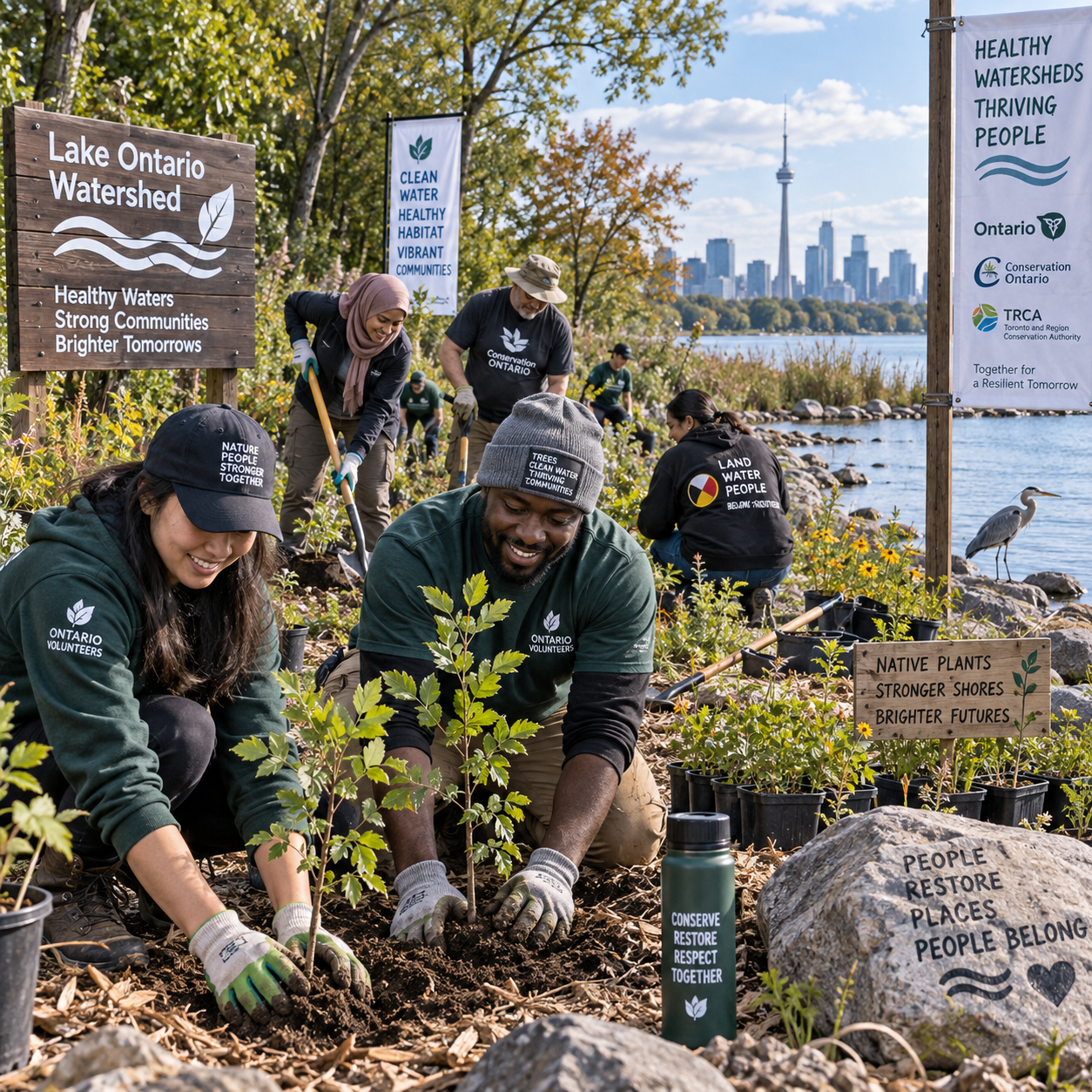
Starting a community-based conservation project in Ontario begins with a specific local need, a willing group of people, and a realistic plan for long-term care. Whether the goal is habitat restoration, biodiversity protection, invasive-species control, shoreline improvement, or environmental monitoring, successful projects connect community action with local watershed priorities.
The process is collaborative rather than purely administrative. Residents, Indigenous communities and rights holders, municipalities, conservation authorities, landowners, schools, local organizations, and businesses may each contribute knowledge, access, funding, equipment, or volunteer capacity. The steps below can help turn an initial concern into responsible, measurable conservation work.
Define the Conservation Need in Your Community
To define a conservation need in Ontario, document a specific environmental problem, listen to affected people, and connect the issue to local watershed, habitat, or biodiversity priorities. A clear problem statement gives partners a reason to participate and prevents a project from becoming too broad to manage.
Begin with observation. Look for problems such as shoreline erosion, declining native vegetation, invasive plants, polluted runoff, damaged wetlands, fragmented habitat, litter, or a lack of public understanding about a sensitive site. Record what you see with dates, photographs, maps, and notes about seasonal conditions. Avoid assuming the cause before speaking with people who know the area.
Community input can come from residents’ meetings, school groups, walking surveys, neighbourhood associations, and conversations with landowners. Ask three practical questions:
- What environmental change have people noticed?
- Who uses, owns, or cares for the site?
- What action would be useful and realistic within the next year?
A conservation authority may provide watershed context, technical information, mapping, or advice about restoration priorities. Municipal staff may identify links to parks, stormwater, forestry, or official plans. The Government of Ontario’s conservation authority information can help you understand the role of these organizations, but local practices and responsibilities vary.
Set Clear Goals, Scope, and Success Measures
Set one to three measurable goals, define a manageable project area, and establish a timeline before recruiting volunteers or purchasing materials. A small project with reliable maintenance usually creates more lasting value than an ambitious project that cannot be completed or monitored.
Use a simple planning statement: “By [date], our group will [action] at [location] to improve [environmental outcome], measured by [indicator].” For example, a group might restore a defined section of degraded shoreline with native plants and measure planted area, plant survival, exposed soil, and volunteer participation.
Choose practical indicators
- Activity measures: number of workdays, volunteers trained, trees planted, or invasive-plant bags removed.
- Environmental measures: native plant survival, canopy cover, erosion observations, water-quality readings, or species records.
- Community measures: repeat volunteers, partner contributions, school participation, or residents attending information sessions.
Define the baseline before work begins. Photograph fixed points, map the treatment area, and record existing vegetation or site conditions. Set a six-month and one-year review rather than promising immediate ecological recovery. Natural systems respond slowly, and weather, deer browsing, flooding, drought, and maintenance capacity can affect results.
Keep the first phase narrow. A project boundary, task list, budget ceiling, and decision-maker should be written down. This makes it easier to explain the plan to partners and adjust it when site conditions change.
Build Local Partnerships and Community Support
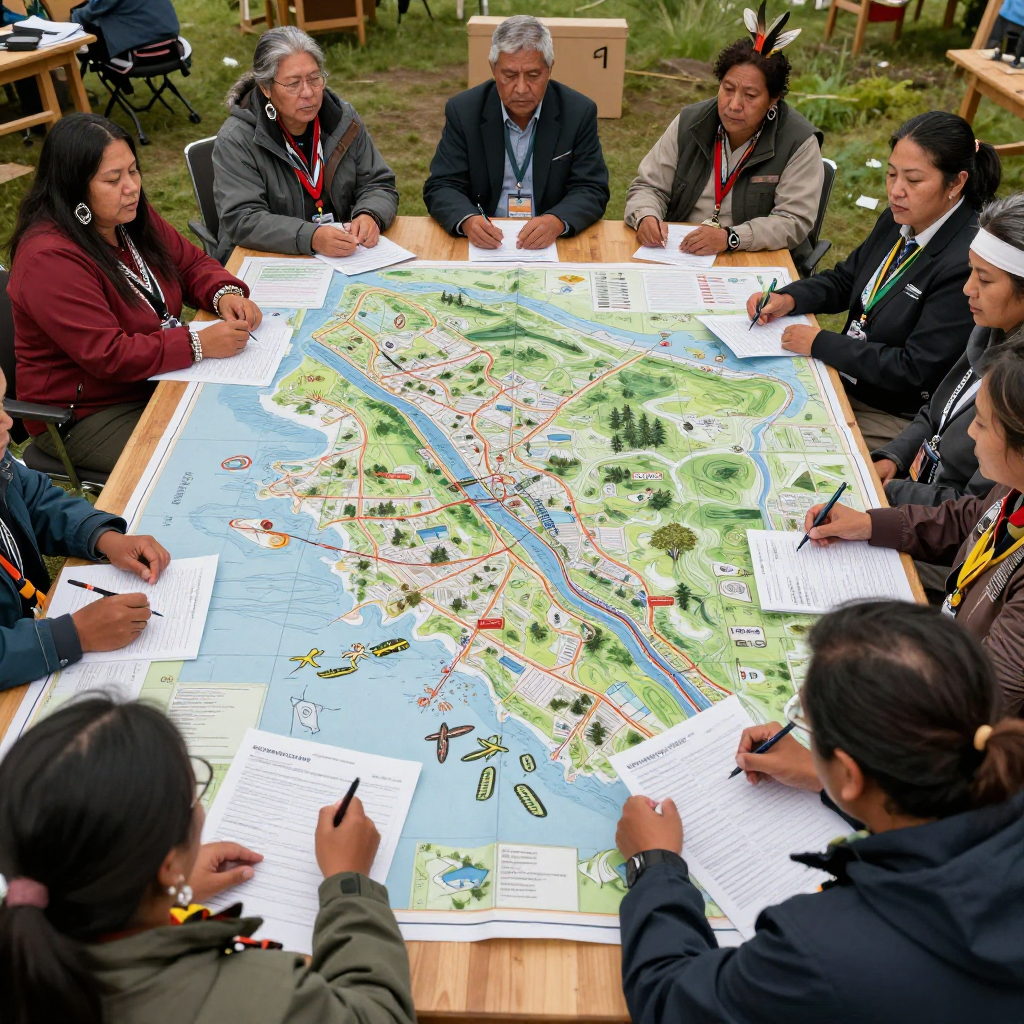
Build support by involving people early, assigning clear roles, and treating Indigenous communities and rights holders as potential knowledge holders and partners in relationship-building. Consultation should be meaningful, appropriately timed, and guided by the communities concerned, rather than used as a final approval step.
Create a stakeholder map with four columns: connection to the site, knowledge or resources offered, decisions they influence, and the best way to engage them. Potential partners include residents, Indigenous communities and rights holders, municipalities, conservation authorities, schools, nonprofit organizations, landowners, local businesses, and community associations.
Contact partners before finalizing the design. Indigenous communities and rights holders may have place-based knowledge, cultural responsibilities, and interests that should shape the project’s purpose, methods, interpretation, and timing. Approach each community respectfully, allow time for discussion, and follow its preferred protocols. Do not publish cultural knowledge, photographs, or site information without appropriate permission.
Municipalities can help clarify ownership, parks operations, waste collection, forestry requirements, accessibility, and public communications. Conservation authorities may offer watershed expertise, restoration guidance, mapping, or connections to local programs. Neither automatically replaces the other, and neither guarantees permission or funding.
Put agreements in writing. A short partnership outline can identify the project lead, landowner, volunteer responsibilities, insurance expectations, equipment arrangements, communications approval, monitoring duties, and maintenance period.
Check Land Access, Permissions, and Environmental Requirements
Before any fieldwork, confirm land ownership, obtain written permission, and identify environmental permits and approvals that may apply to the site and proposed activities. Ontario requirements differ by location, land status, habitat, waterbody, municipality, and type of work, so local confirmation is essential.
Start by identifying whether the site is privately owned, municipal, provincial, federal, conservation-authority managed, or subject to another organization’s control. A public-facing location is not automatically open for planting, excavation, structure installation, specimen collection, or water access.
Describe the work precisely when asking for permission. Include the location, dates, equipment, vegetation or soil disturbance, materials, access routes, waste handling, and restoration plan. Ask who will approve changes if the site conditions differ on the day.
Depending on the project, you may need to contact:
- The landowner or property manager.
- The municipality, especially for parks, roadsides, drains, trees, or public access.
- The local conservation authority for regulated areas, wetlands, watercourses, hazard lands, or shoreline work.
- Provincial or federal agencies where fish habitat, species at risk, public lands, or other regulated interests may be involved.
- Utility owners before digging or driving stakes.
Do not begin work in a wetland, near a watercourse, or on a shoreline based only on a volunteer plan. Ask which approvals, timing restrictions, qualified professionals, safety procedures, and restoration conditions apply. The Ontario environmental permissions guidance is a useful starting point, but it does not determine the requirements for every site.
Create a Budget and Find Project Resources
Create a line-item budget before seeking support, including materials, equipment, insurance, safety costs, volunteer expenses, staff or contractor help, and future maintenance. Funding options can change, and eligibility varies, so treat grants as possibilities rather than guaranteed project income.
Typical budget categories include native plants or seed, mulch, tools, gloves, first-aid supplies, signage, water, accessible transportation, waste disposal, insurance, technical assessments, communications, and monitoring equipment. Include replacement costs and at least one maintenance visit after the main event.
Separate cash expenses from in-kind contributions. A nursery may offer discounted plants, a business may lend a trailer, a municipality may provide waste pickup, or a conservation authority may contribute technical advice. Record the estimated value and the conditions attached to each contribution.
Potential funding pathways may include municipal community-environment programs, charitable foundations, corporate sponsorship, local fundraising, school budgets, conservation authority partnerships, and government programs. Check current eligibility, deadlines, matching requirements, insurance rules, eligible expenses, and reporting obligations directly with each funder.
Choose the project design that matches your secure resources. Choosing a larger restoration area for greater visible impact means accepting higher watering, replacement, supervision, and monitoring demands. A phased plan protects credibility: complete a pilot area, evaluate it, then expand if the results and maintenance capacity justify growth.
Plan and Deliver the Conservation Activities
Deliver conservation activities through a written work plan covering volunteers, training, safety, timing, materials, monitoring, and communication. The plan should be detailed enough that another coordinator could run the event safely.
Use a field-ready delivery framework
- Prepare: confirm permissions, weather conditions, access, tools, plants, washrooms, first aid, emergency contacts, and sign-in procedures.
- Brief: explain the purpose, boundaries, hazards, appropriate techniques, and what volunteers must not do.
- Work: divide volunteers into supervised teams with clear tasks such as planting, invasive-species removal, litter collection, or photo monitoring.
- Check: inspect work quality, collect waste, return tools, document completed areas, and record incidents or changes.
- Follow up: schedule watering, replacement planting, weed control, monitoring, and partner updates.
Recruit volunteers with a realistic description of the work. State the physical demands, expected duration, clothing, age requirements, accessibility information, and cancellation conditions. Provide task alternatives so people can contribute through registration, photography, data entry, outreach, or refreshments.
For habitat restoration, use locally appropriate native species and obtain advice about soil, moisture, wildlife pressure, and invasive plants. Avoid moving plants or soil from unknown locations. Work outside sensitive periods where required, and never handle wildlife or disturb habitat without appropriate guidance.
Document the project with attendance records, maps, fixed-point photographs, material quantities, weather, observations, and any departures from the original plan. Share updates without exposing sensitive locations or personal information.
Monitor Results and Sustain the Project
Monitor both environmental and community outcomes, report honestly to partners, and assign long-term stewardship before declaring the project complete. Conservation success depends on what happens after the volunteer event.
Use the same methods at each review. Revisit fixed photo points, count surviving plants, map invasive species, repeat water or biodiversity observations where qualified people and suitable methods are available, and record maintenance hours. Compare results with the baseline rather than relying on impressions.
A simple monitoring table can include:
- Indicator and baseline condition.
- Target and measurement method.
- Review date and person responsible.
- Result, limitation, and next action.
Report setbacks as well as successes. Low plant survival may reflect drought, flooding, browsing, poor species selection, or insufficient maintenance. The appropriate response could be replanting, protection, design changes, or a smaller treatment area. Adaptation is a sign of responsible project management, not failure.
Prepare a stewardship schedule for at least the first year. Name who will inspect the site, remove new invasive growth, water or replace plants where appropriate, maintain signs, and communicate concerns to the landowner. Build a second volunteer cohort so the project does not depend on one organizer.
At the end of the first season, hold a partner review. Decide whether to maintain, modify, pause, or scale the initiative. Sustainable community-based conservation grows through trust, documented learning, and manageable commitments. A project that remains cared for can become a durable part of local watershed and biodiversity stewardship.
Frequently Asked Questions
Do I need permission to start a conservation project on private or public land in Ontario?
Yes, you should obtain permission from the landowner or responsible authority before entering or changing a site. Additional environmental permits and approvals may apply, particularly near wetlands, shorelines, watercourses, hazard lands, utilities, or protected habitat.
How can a small community group find conservation partners?
Start with the municipality, local conservation authority, Indigenous communities and rights holders where appropriate, landowners, schools, and established environmental organizations. Send a concise project brief describing the site, need, proposed action, timeline, and specific help requested.
What types of activities can volunteers support?
Volunteers may support native planting, invasive-species removal, litter collection, approved habitat maintenance, public education, event logistics, photography, and basic monitoring. Tasks must match training, site rules, safety requirements, and any professional or regulatory limits.
How should a community conservation project measure success?
Measure both work completed and change observed. Useful indicators include restored area, plant survival, invasive-species coverage, fixed-point photographs, biodiversity observations, maintenance visits, volunteer retention, and partner contributions.
When should a group contact a conservation authority or municipality?
Contact them during the planning stage, before selecting methods or announcing a work date. Early contact can clarify land status, watershed priorities, regulated areas, technical needs, permissions, safety concerns, and possible partnership routes.