Success Stories: Ontario’s Community-Led Species Recovery Programs

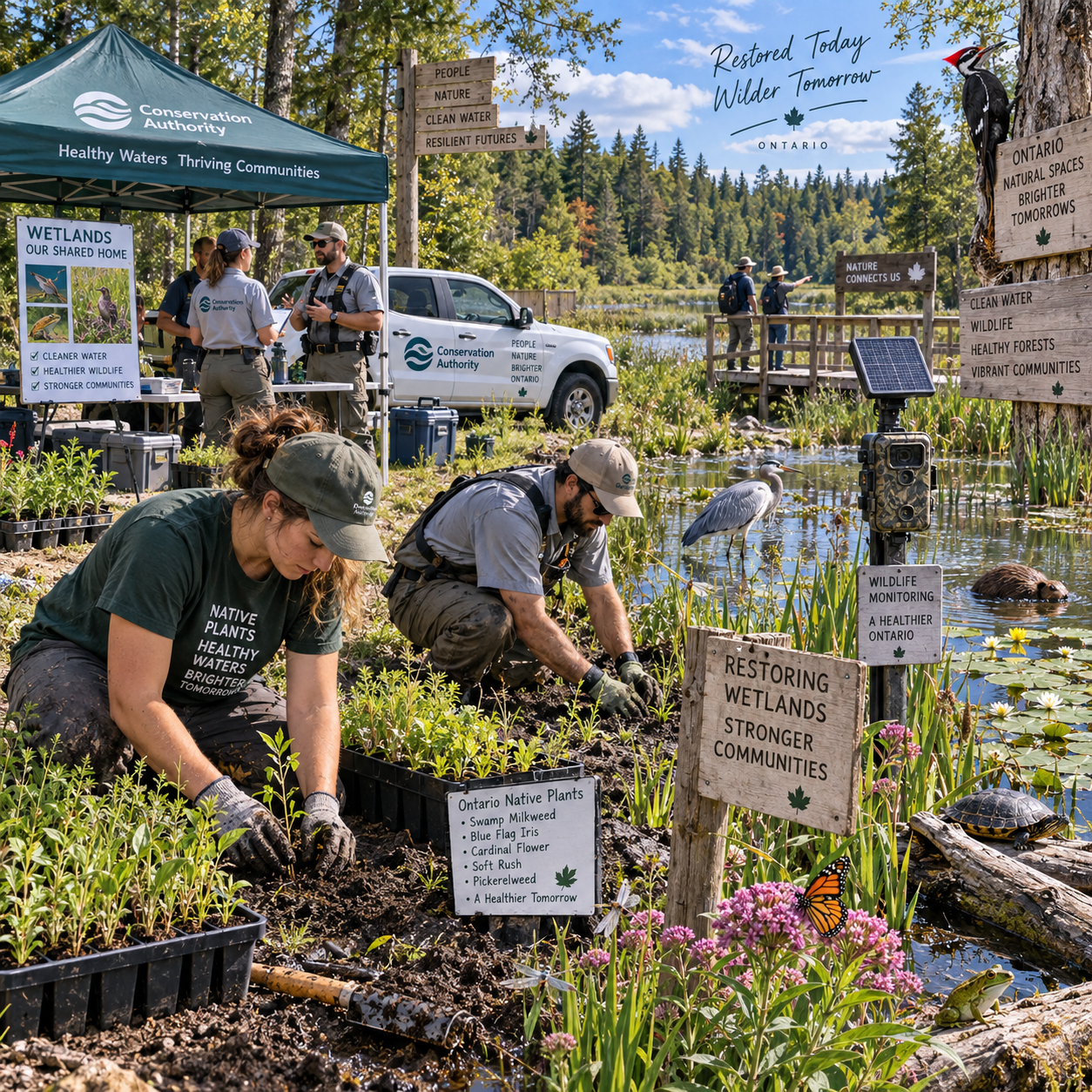
Across Ontario, species recovery is gaining strength where people work together around the habitats they know best. Conservation authorities, Indigenous communities, municipalities, landowners, volunteers, researchers and local organizations are restoring wetlands, reconnecting forests, monitoring wildlife and improving public understanding of species at risk.
These efforts rarely produce instant results. A planted shoreline may need years to mature, while a wildlife corridor can take sustained planning across many properties. Yet community-based conservation creates something essential: local knowledge, practical stewardship and long-term responsibility for the places where recovery must occur. Ontario’s conservation authorities provide an important bridge between science, land-use planning and community action.
Why Community Leadership Matters in Species Recovery
Community leadership matters because local people bring knowledge, relationships and sustained attention to species recovery. Their involvement helps turn conservation plans into practical work on farms, shorelines, forests, wetlands and urban landscapes.
Species at risk are affected by highly local pressures. A wetland may be drained, a woodland fragmented by roads, or a stream warmed by the loss of shoreline vegetation. Residents and landowners often notice these changes first. They can also identify seasonal patterns that a short survey may miss, such as when amphibians cross a road, where turtles nest or which meadow remains valuable to pollinators during a dry summer.
Local participation improves the fit of conservation action. A restoration plan developed with a landowner can protect productive farmland while creating a buffer along a creek. A municipality can adjust mowing schedules or road maintenance near sensitive habitat. Volunteers can help collect observations over many seasons, creating a stronger picture of biodiversity than a single site visit.
The broader benefit is shared responsibility. Government programs and professional science remain important, but recovery becomes more durable when neighbours, schools, businesses and community groups see habitat as part of local well-being. Clean water, shade, flood protection and healthy wildlife corridors often come from the same connected habitats.
The Role of Conservation Authorities and Local Partnerships
Ontario conservation authorities support species recovery by coordinating expertise, planning, restoration, monitoring and community engagement. Their watershed-based perspective helps connect individual projects to larger ecological systems.
Conservation authorities work across municipal boundaries, which is especially valuable when a river, wetland complex or wildlife corridor extends through several jurisdictions. Their staff may provide ecological assessments, mapping, habitat design, tree planting advice, wetland restoration support and guidance on invasive-species management. They also help partners set realistic objectives and track whether work is producing the intended ecological response.
Partnerships give each organization a clear role:
- Indigenous communities contribute leadership, rights-based direction, cultural responsibilities and knowledge according to their own protocols.
- Municipalities connect recovery with official plans, infrastructure decisions, parks management and local education.
- Landowners make practical habitat improvements on private property, where much of Ontario’s remaining natural habitat is located.
- Volunteers and local organizations contribute time, observations, outreach and hands-on stewardship.
- Researchers and technical staff help design surveys, interpret evidence and improve restoration methods.
This coordination reduces duplication and helps distinguish immediate outputs from longer-term outcomes. Planting 500 native trees is an output. Increased canopy cover, improved stream temperature and more suitable habitat for a species are outcomes that require follow-up.
People can explore Ontario’s broader species-at-risk information through the Government of Ontario species at risk resources, then contact their local conservation authority to identify relevant programs and watershed priorities.
Success Story Themes Across Ontario
Ontario’s community-led success stories share several practical approaches: restoring habitat, monitoring species, supporting private land stewardship, managing invasive species and building public awareness. The strongest programs combine more than one of these actions.
Habitat restoration and connected landscapes
Community groups and conservation authorities restore wetlands, shorelines, forests, tallgrass areas and stream buffers using native plants and locally suitable designs. These projects can improve nesting, feeding and overwintering conditions for species at risk while also reducing erosion and supporting water quality.
Connection matters as much as individual sites. A restored woodlot becomes more valuable when it links to another forest through hedgerows, riparian vegetation or protected ravines. Wildlife corridors and connected habitats allow animals and plants to move, find food and respond to changing conditions.
Species monitoring by volunteers
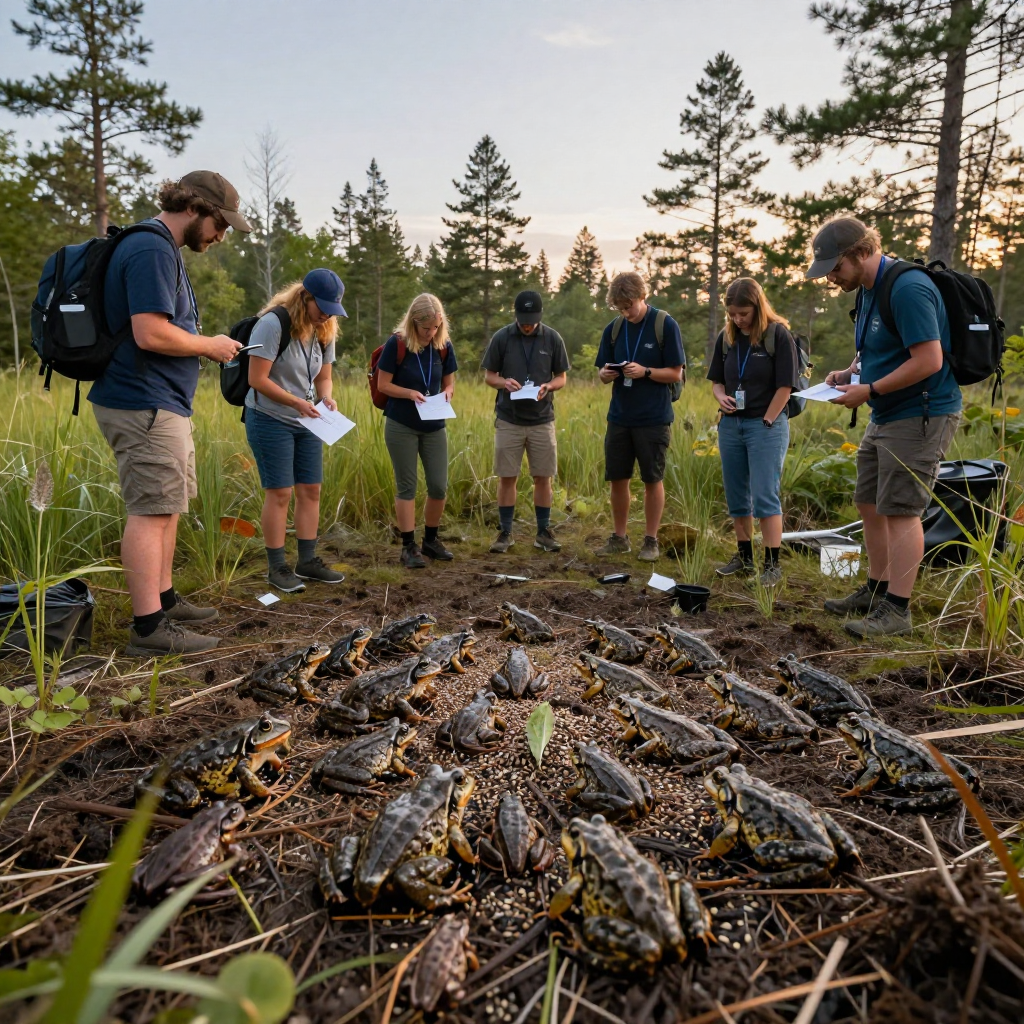
Volunteer conservation programs extend the reach of professional surveys. Participants may record birds, butterflies, amphibians, reptiles, plants or aquatic species using established protocols. Repeated observations help identify changes in distribution, breeding activity and habitat condition.
Good monitoring requires training and consistency. A photograph, location, date and habitat description are more useful than an unverified label. Residents should use appropriate reporting channels and avoid disturbing nesting sites or handling wildlife.
Stewardship on private land
Landowner stewardship can protect habitat that formal reserves cannot reach. Actions include fencing livestock away from streams, maintaining natural shoreline vegetation, delaying mowing in suitable grassland, protecting tree cavities and controlling runoff.
Successful programs respect operational realities. A landowner may need phased work, clear maintenance expectations and advice that fits farm schedules or property access. Choosing conservation for one benefit may mean accepting another trade-off, such as leaving unmown vegetation during part of the growing season.
Invasive-species management and public education
Local organizations often organize invasive-species surveys, removal events and public workshops. These activities work best when removal is paired with native replanting and follow-up, because disturbed ground can quickly be recolonized.
Education turns isolated actions into everyday habits. School programs, interpretive signs and community events can explain why people should clean boats, avoid moving firewood, keep cats indoors near sensitive habitat or choose native plants for gardens.
Indigenous Leadership and Local Ecological Knowledge
Indigenous leadership strengthens species recovery when Indigenous rights, authority, knowledge systems and protocols guide the relationship. Indigenous ecological knowledge should not be treated as a freely interchangeable data source.
First Nations and Métis communities hold distinct connections to land, water and species. Their leadership may shape project priorities, stewardship practices, monitoring methods, education and decisions about what information can be shared. Respectful collaboration begins with consent, clear governance and recognition that knowledge belongs within relationships and responsibilities.
Conservation partners should avoid extracting knowledge without decision-making power or credit. They should ask who defines the project, how findings are interpreted, where information is stored and who benefits. Agreements may need to address confidentiality, cultural sites, data sovereignty and appropriate participation.
When collaboration is invited and properly supported, Western ecological methods and Indigenous knowledge systems can inform one another without being collapsed into a single framework. The result can be more grounded conservation, stronger trust and decisions that reflect both ecological conditions and community responsibilities.
What Makes Community-Led Programs Effective
Effective community-led programs have trusted partnerships, clear goals, multi-year commitment, reliable monitoring and the ability to adapt. Enthusiasm starts a project; consistent relationships and evidence help it last.
- Set a specific objective: define the habitat or species concern, the area involved and the change the project seeks.
- Build trust before fieldwork: involve landowners, Indigenous partners and municipal staff early, rather than presenting a finished plan.
- Match action to threat: restore habitat where habitat is limiting, manage invasive species where competition is the problem and reduce disturbance where timing is critical.
- Measure more than activity: record planted area and volunteer hours, but also track vegetation survival, habitat condition and species response.
- Plan for maintenance: restoration sites need watering, invasive control, replacement planting or adaptive management during the first several years.
- Share results honestly: report setbacks as well as progress so partners can improve methods and maintain public trust.
Common mistakes are preventable. Planting without a maintenance plan can waste labour and materials. Collecting observations without consistent methods can create misleading trends. Focusing on a single charismatic species may overlook the habitat processes supporting an entire community. Finally, relying on one grant or one organizer leaves a program vulnerable when funding or leadership changes.
How Communities Can Support Species Recovery
Residents can support species recovery by protecting habitat, reporting observations, volunteering and participating in local planning. Small actions become more useful when they align with watershed priorities and avoid disturbing sensitive wildlife.
- Residents: plant native vegetation, keep natural shoreline buffers, reduce pesticide use and report sightings through appropriate provincial or local programs.
- Landowners: ask a conservation authority about habitat assessments, stream buffers, wetland protection and stewardship options suited to the property.
- Schools: create native gardens, map schoolyard biodiversity and use local habitats for outdoor learning without collecting wildlife.
- Municipalities: protect natural heritage features, connect parks and ravines, manage road verges thoughtfully and include biodiversity monitoring in project planning.
- Businesses: support habitat work, improve landscaping practices and provide staff time or suitable sites for community stewardship.
- Local organizations: host training, coordinate volunteers, invite Indigenous partners appropriately and maintain clear records of activities and results.
Before starting a project, use a simple four-question screen: What species or habitat is involved? What threat can the community influence? Who must be involved from the beginning? How will progress be measured after one, three and five years? Those answers usually reveal whether an idea needs professional advice, a formal partnership or a smaller pilot.
Building the Next Generation of Conservation Successes
The next generation of Ontario conservation successes will depend on connected habitats, durable partnerships, shared knowledge and sustained investment. Community action should be designed for the scale of the ecological problem while remaining practical for the people carrying it forward.
A useful framework is the “connect, participate, learn and sustain” cycle. Connect habitat patches through planning, restoration and landowner cooperation. Participate by making roles accessible to residents, youth, Indigenous communities and local organizations. Learn through biodiversity monitoring and honest evaluation. Sustain the work with maintenance plans, institutional support and reliable funding.
Local programs will not remove every province-wide pressure on species at risk. They can, however, protect important places, improve habitat quality and create the relationships needed for broader recovery. A restored wetland, a monitored nesting area or a connected shoreline may begin as a modest project. Over time, linked efforts can change the ecological future of an entire watershed.
Frequently Asked Questions
What is community-based species recovery?
Community-based species recovery is conservation led or supported by people connected to a local place. It combines habitat protection, restoration, monitoring, education and stewardship with technical guidance and appropriate governance.
How do conservation authorities support local recovery programs?
Conservation authorities provide watershed planning, ecological expertise, restoration advice, mapping, monitoring support and connections among municipalities, landowners, Indigenous communities, volunteers and other partners.
How can landowners help species at risk in Ontario?
Landowners can protect wetlands and woodlots, maintain stream buffers, restore native vegetation, reduce disturbance during sensitive seasons and seek stewardship advice before changing habitat.
What role do volunteers play in biodiversity monitoring?
Volunteers expand the number of sites and seasons that can be observed. With training and consistent methods, their records can help identify habitat changes and guide conservation decisions.
How can a community start a local conservation project?
Begin by identifying a specific local threat, contacting the relevant conservation authority or Indigenous and municipal partners, agreeing on a measurable goal, securing permission and creating a monitoring and maintenance plan.