The Economic Benefits of Local Conservation for Ontario Communities

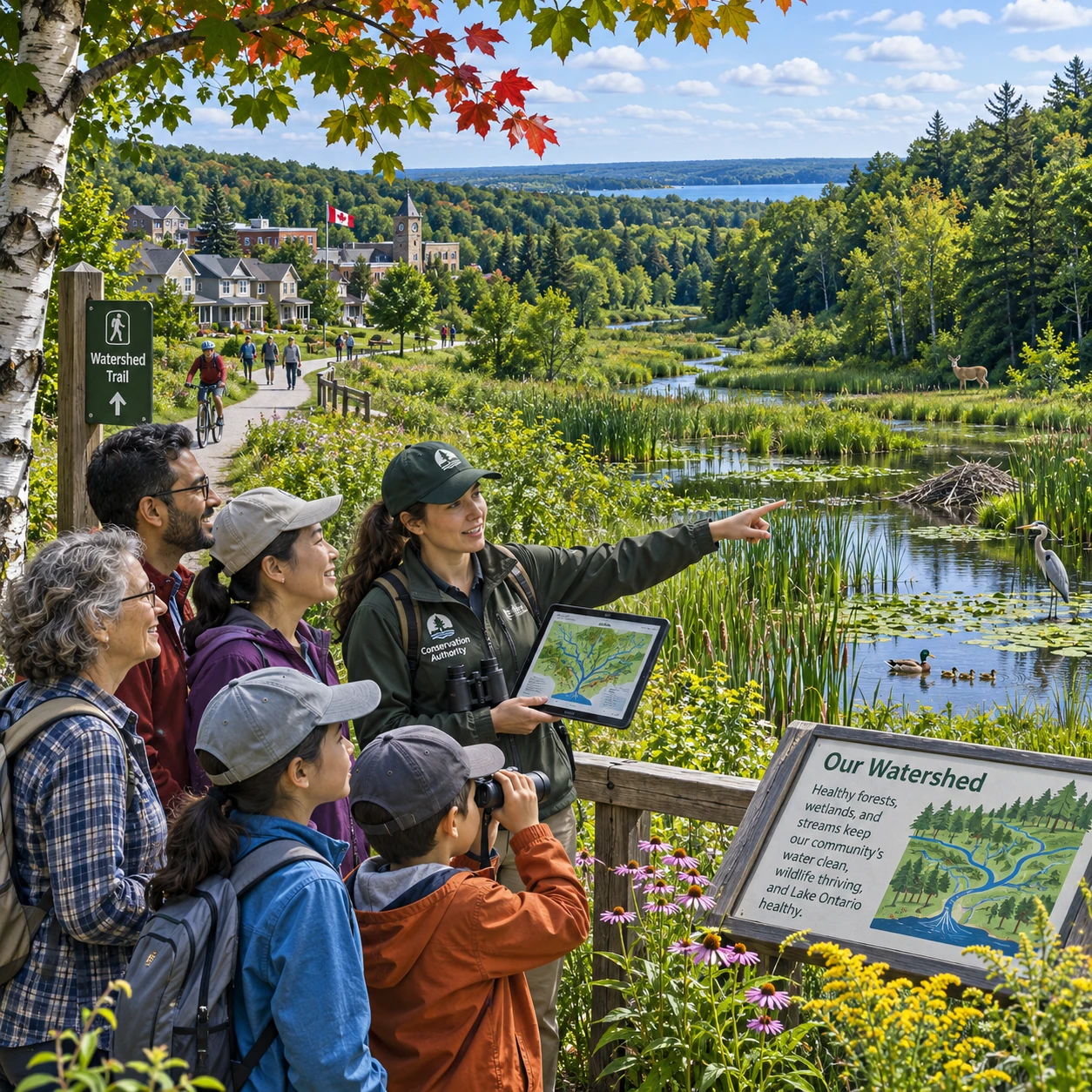
Local conservation helps Ontario communities care for the forests, wetlands, rivers and other natural places that support everyday life. When those landscapes are healthy and accessible, they can also contribute to economic well-being: by managing some flood risks, supporting local work and businesses, and creating places where people want to spend time.
These benefits depend on local conditions and thoughtful planning. Conservation is not a guaranteed way to cut costs or attract visitors, but it can be a practical part of a community’s long-term approach to resilience and prosperity.
What local conservation means in Ontario
Local conservation in Ontario means protecting and restoring natural areas through cooperation among communities, landowners, municipalities, conservation authorities and other partners. The work is shaped by local watersheds, priorities and ecological needs.
A watershed is an area of land where water drains toward a common river, lake or other outlet. Decisions in one part of a watershed can affect water quality, habitat and flood conditions elsewhere, so local conservation often calls for coordination across property and municipal boundaries.
Conservation authorities work with municipalities and communities on watershed management, conservation lands, restoration and public education. Their specific responsibilities and programs vary. Other partners may include Indigenous communities, farmers, local conservation groups, schools, businesses and residents. Each can contribute knowledge, land, funding or practical effort.
Community-based conservation can mean planting native vegetation along a stream, restoring wetland habitat, managing a public trail, or helping a landowner protect a natural area. The economic connection is clearest when communities treat natural systems as part of the infrastructure and services they rely on, while recognizing their ecological value in its own right.
Natural assets can help manage community costs
Wetlands, forests and healthy watersheds can help manage water and reduce pressure on built infrastructure. Their contribution depends on the site, the condition of the ecosystem and the scale of a storm, so they complement rather than replace engineered flood protection.
Wetlands can hold and slowly release water, while forest soils and vegetation can absorb rainfall and reduce runoff in some settings. Floodplains give rivers room to spread during high water. Together, these natural features may help moderate peak flows and limit erosion, though their performance varies with soil, topography, land use and weather.
That capacity matters to local budgets. When communities protect natural areas and keep development away from high-risk locations, they may reduce exposure to damage and avoid some future costs for drainage, repairs or emergency response. Maintaining natural infrastructure can also support water quality and habitat, benefits that a drainage pipe alone cannot provide.
Conservation is not a substitute for storm sewers, culverts, flood forecasting, building standards or emergency planning. Nor does a wetland eliminate flood risk. A sensible approach looks at the whole watershed, identifies where natural features can help, and combines them with appropriate built infrastructure and land-use decisions. The Government of Ontario’s information on conservation authorities provides context on their role in watershed and natural hazard management.
Conservation supports local jobs and businesses
Conservation can support local employment and business activity through restoration, land stewardship, outdoor recreation and visitor services. The scale of the opportunity depends on sustained projects, local skills and whether visitors have services nearby.
Restoration work may involve native plant nurseries, ecological monitoring, tree planting, invasive-species management, trail construction and maintenance, or erosion control. These projects can create contracts and seasonal or ongoing roles for local suppliers and workers. They also build practical skills, although employment is not automatic: projects need funding, planning, qualified staff and follow-up care.
Accessible conservation areas can generate demand for nearby cafés, outfitters, accommodations, guides and small retailers. A well-marked trail or a birding site may encourage visitors to stay longer, but tourism growth is never assured. Weather, access, promotion, capacity and competing destinations all matter. Communities should plan for parking, washrooms, waste and habitat protection before increasing visitor use.
Local organizations can connect conservation spending with local economic participation. For example, a municipality or conservation authority can communicate upcoming restoration needs to local contractors and community groups, while setting clear requirements for ecological quality and safety. That makes it easier for businesses to see where their services fit without overstating the number or duration of jobs involved.
Healthy landscapes attract visitors and improve quality of life
Healthy, accessible natural areas can support outdoor recreation, ecotourism and quality of life in Ontario communities. Trails, wetlands, forests and shorelines offer places to walk, cycle, paddle, watch wildlife and spend time outdoors.
Visitors may bring business to nearby communities, and residents benefit from having nature close to home. Parks and conservation lands can also contribute to a community’s appeal when people consider where to live, work or open a business. These effects are local and difficult to separate from other factors such as housing, transport, services and employment.
Access needs careful management. A popular trail can bring crowding, parking pressure, litter, disturbance to wildlife or damage to sensitive habitat. Some natural areas should have limited access, seasonal closures or guided visits. The aim is to match recreation with the site’s ecological capacity, not to maximize visitor numbers everywhere.
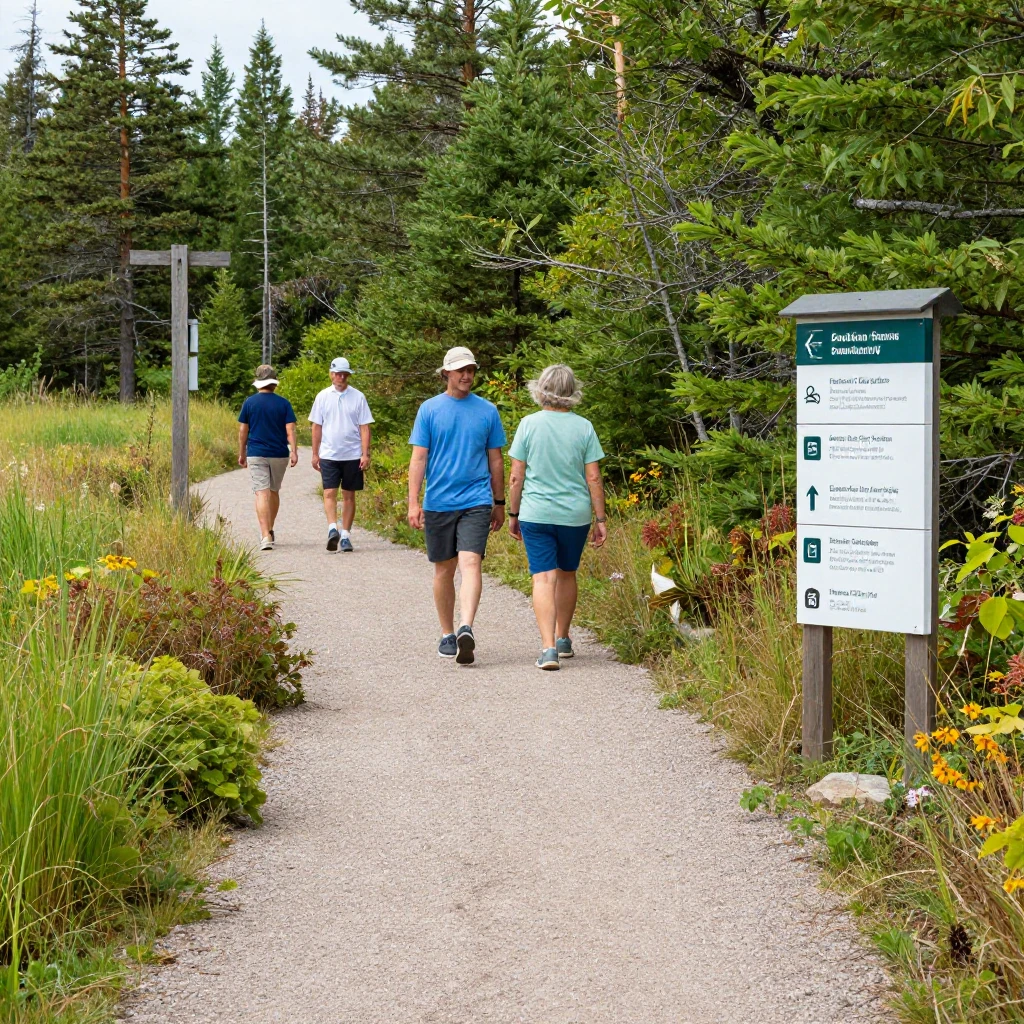
Communities can make outdoor experiences more inclusive by providing clear wayfinding, accessible routes where feasible, transit or active-transport connections, and information about trail conditions. Local businesses and conservation partners can coordinate visitor guidance so that people know how to enjoy an area responsibly and where to find nearby services.
Conservation strengthens resilience over time
Conservation strengthens climate resilience by protecting natural systems that help communities adapt to changing conditions. Healthy watersheds and connected habitats can support flood management, water quality and ecological function as risks evolve.
Ontario communities face different combinations of heavy rainfall, erosion, drought, heat and changing seasonal conditions. Protecting wetlands, forests, stream corridors and floodplains can help preserve natural processes that matter under several of these pressures. Restoring degraded land can also improve habitat and, where appropriate, water retention.
Long-term planning works best when municipalities assess hazards and natural assets together. A development proposal, road project or stormwater plan can be reviewed for effects on the wider watershed, not only the individual site. This can reveal opportunities to avoid risk early, when changes may be less costly than repairing damage later.
There are trade-offs. Land protection can constrain some development options, restoration takes time, and monitoring requires resources. Conservation decisions should be transparent, informed by local and Indigenous knowledge, and coordinated with housing, infrastructure and economic plans. The value lies in making risks and choices visible before short-term decisions create long-term liabilities.
How Ontario communities can make conservation work locally
Ontario communities can make conservation more effective by identifying local priorities, choosing practical projects and maintaining them over time. Municipalities, organizations, businesses and residents each have useful roles.
- Municipalities can include wetlands, forests, floodplains and watershed connections in land-use and infrastructure planning, and coordinate with conservation authorities early in project design.
- Community organizations can organize native planting, shoreline care, habitat monitoring, cleanups or educational events in partnership with landowners and qualified conservation staff.
- Businesses can support local stewardship, source appropriate native plants and services, and help visitors understand how to use natural areas responsibly.
- Residents can plant native species, keep yard waste and pollutants out of storm drains, respect trail closures, report problems to the relevant land manager and volunteer for well-organized projects.
A useful local filter is to ask three questions: What ecological asset are we supporting? What community need could it help address? Who will fund, manage and monitor the work after the launch? This simple test helps distinguish a lasting conservation project from a one-day activity with no plan for follow-up.
Communities should also track more than one outcome. Depending on the project, useful measures might include restored habitat, native plant survival, trail use, volunteer participation, maintenance costs or whether development avoids a mapped hazard area. No single measure captures the full value of conservation, but a clear baseline helps partners learn and adjust.
Frequently asked questions
How can local conservation benefit a community’s economy?
Local conservation can support economic well-being by helping manage some natural hazards, creating demand for restoration and stewardship services, and supporting recreation-related activity. Results vary by location and are not guaranteed.
Can wetlands and forests help reduce municipal costs?
They can sometimes reduce pressure on drainage and flood-management systems by holding water, slowing runoff or stabilizing land. Their benefits depend on local conditions, and they work best as part of a broader plan that includes built infrastructure and emergency preparedness.
How can residents support conservation in Ontario?
Residents can care for native plants, avoid polluting waterways, follow conservation-area guidance, join local stewardship projects and contact their municipality or conservation authority to learn about priorities in their watershed.
What role do conservation authorities play?
Conservation authorities work with municipalities and other partners on watershed-related programs, conservation lands and natural hazard management. Their roles and services can differ across Ontario, so check with the local authority for current information.
For Ontario communities, local conservation is a long-term investment in the landscapes that support people, businesses and public services. Its economic contribution is strongest when projects reflect local conditions, protect ecological health and are planned with realistic expectations about costs, risks and benefits.