The Role of Indigenous Communities in Ontario’s Conservation Efforts

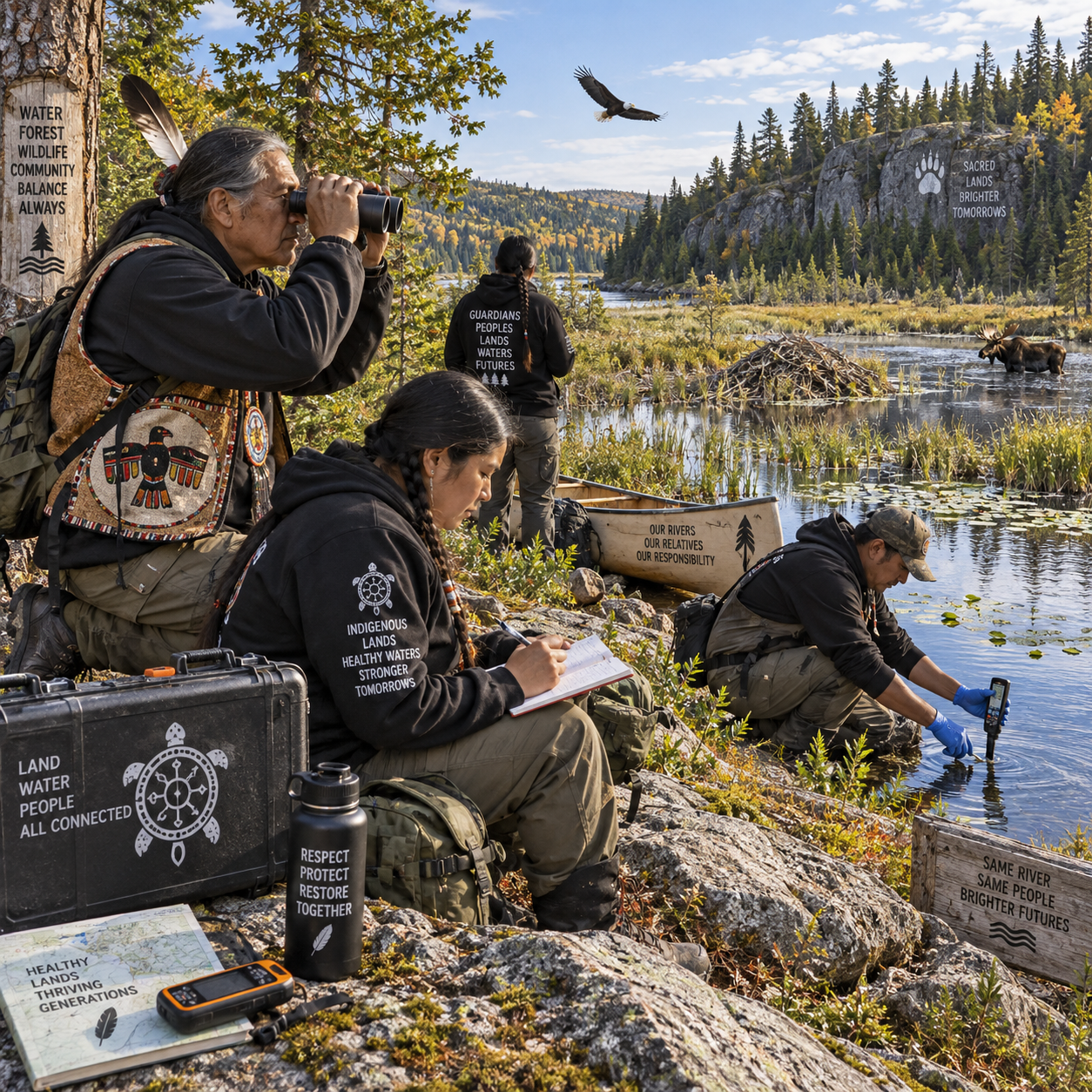
Indigenous communities in Ontario play vital roles in protecting land, water, wildlife, and cultural continuity. Their contributions include Indigenous-led conservation, environmental stewardship, land-use planning, species monitoring, restoration, and decision-making grounded in responsibilities to place.
First Nations, Inuit, and Métis communities are diverse, with distinct histories, laws, languages, priorities, and relationships with specific territories. Understanding conservation in Ontario therefore requires more than inviting Indigenous participation in existing programs. It requires respect for Indigenous leadership, rights, knowledge systems, and authority.
Why Indigenous leadership matters in conservation
Indigenous leadership matters because conservation is connected to land, water, culture, governance, and community well-being. Indigenous Peoples have maintained enduring relationships with Ontario’s forests, lakes, rivers, wetlands, and wildlife, while adapting to ecological change and protecting places of cultural importance.
For many Indigenous communities, environmental stewardship is a responsibility passed through generations rather than a short-term project. A healthy watershed can support drinking water, food systems, medicines, ceremony, livelihoods, and the transmission of language and knowledge. Damage to an ecosystem can therefore affect both biodiversity and cultural life.
This perspective broadens conservation goals. Protecting a wetland may involve habitat and flood management, but it can also involve access to traditional foods, culturally significant plants, travel routes, and places where young people learn from Elders and land-based educators.
Indigenous leadership also brings governance experience. Community priorities can shape monitoring, restoration schedules, protected-area planning, emergency response, and decisions about development. The appropriate approach varies by community and territory. A model that works for one First Nation, Métis community, or regional partnership may not fit another.
Traditional Ecological Knowledge and western science
Traditional Ecological Knowledge is place-based knowledge developed through sustained observation, practice, relationships, and cultural responsibility. When shared under Indigenous control, it can complement western science by adding context, longer time horizons, and locally grounded insight.
Traditional Ecological Knowledge, often called TEK, may include observations about seasonal change, animal behaviour, water conditions, plant relationships, fire, weather, and landscape health. It can also include laws, teachings, harvesting practices, and ethical rules about how people should interact with other living beings.
Western science contributes tools such as remote sensing, hydrological modelling, laboratory analysis, population surveys, and standardized data collection. Used carefully, these methods and Indigenous knowledge can strengthen one another. For example, community observations may help identify meaningful monitoring locations, while scientific sampling may help document changes in water quality over time.
The relationship must be respectful. Traditional Ecological Knowledge is not a free dataset or a collection of facts to extract for a report. Communities should decide what can be shared, with whom, and for what purpose. Agreements should address consent, attribution, confidentiality, interpretation, storage, and access.
Researchers and conservation organizations should also avoid forcing Indigenous knowledge into western scientific categories. Some knowledge is relational, spiritual, seasonal, or held collectively. Its value does not depend on whether it can be converted into a spreadsheet.
Indigenous-led conservation in Ontario
Indigenous-led conservation places Indigenous communities in positions of leadership, authority, and accountability. Depending on local priorities, this may include habitat protection, species stewardship, water protection, land-use planning, guardian programs, restoration, and the management of culturally important areas.
Indigenous-led conservation can take several forms:
- Community-based monitoring: Local guardians and stewardship teams observe wildlife, water, vegetation, invasive species, and environmental change.
- Land and water protection: Indigenous governments may identify areas requiring protection or develop their own conservation priorities and management plans.
- Species stewardship: Community programs can combine cultural teachings, field observations, habitat work, and partnerships with biologists.
- Restoration: Projects may address shoreline damage, wetland loss, forest health, fish habitat, invasive species, or the recovery of culturally important plants.
- Youth and land-based education: Stewardship activities can connect ecological learning with language, culture, ceremony, and intergenerational knowledge.
These approaches often emphasize relationships and continuity. A project may be evaluated through ecological indicators, but also through whether people can safely access land, whether knowledge is being passed on, and whether decisions reflect community laws and priorities.
Indigenous-led conservation does not always mean working separately from governments or environmental organizations. It means that collaboration should support Indigenous direction rather than quietly transferring responsibility without resources or authority.
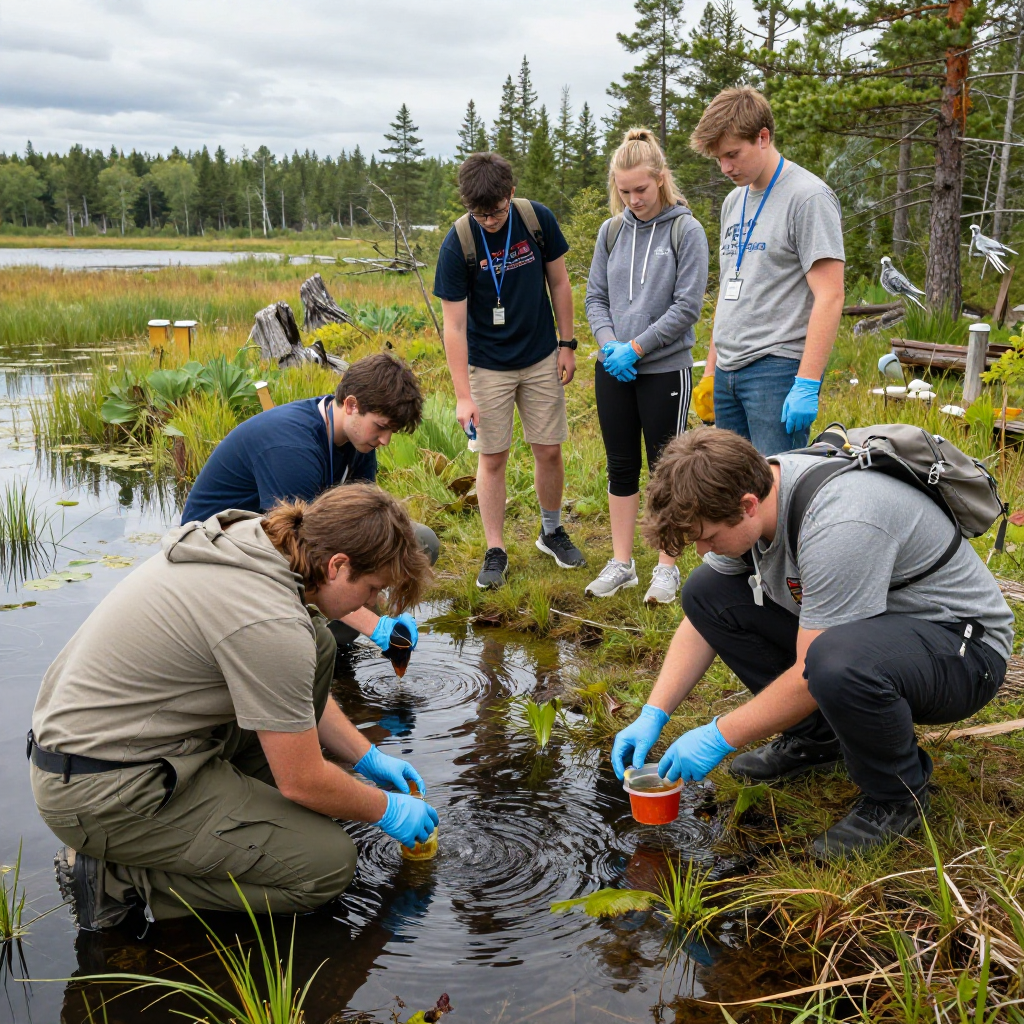
Partnerships with conservation authorities and local organizations
Effective partnerships begin with trust, clear roles, shared decision-making, and sustained resources. Conservation authorities, municipalities, researchers, nonprofits, and residents should engage Indigenous communities early, before project plans and funding decisions are already fixed.
In Ontario, conservation authorities often work on watershed planning, flood management, habitat restoration, forest management, and environmental education. Their work can be strengthened when they build relationships with the First Nations and Métis communities connected to the watershed.
Principles for respectful collaboration
- Start with relationship-building: Allow time for introductions, listening, and learning local protocols. A single meeting is not a relationship.
- Define authority: State whether an initiative involves information-sharing, consultation, partnership, co-management, or Indigenous-led decision-making.
- Share decisions and resources: Include Indigenous representatives in project design, budgets, governance, evaluation, and public communications.
- Respect cultural protocols: Follow community direction on meetings, ceremonies, Elders, language, photography, field access, and knowledge sharing.
- Build continuity: Use multi-year agreements, reliable funding, and named staff so relationships do not disappear when a grant or employee changes.
Partnerships also need practical clarity. Written agreements can identify responsibilities, timelines, data ownership, safety procedures, dispute resolution, and how results will be reported. Choosing collaboration for credibility while retaining all decision-making power is not meaningful partnership; it creates frustration and can damage trust.
Conservation, rights, and reconciliation
Conservation and reconciliation are connected when environmental decisions recognize Indigenous rights, jurisdiction, consent, and self-determination. Environmental protection should not be used to justify excluding Indigenous Peoples from their lands or limiting cultural practices.
Consultation has a specific place in Canadian legal and policy contexts, but it is not automatically the same as consent, partnership, or shared governance. The correct process depends on the community, the proposed activity, potential impacts, applicable agreements, and the rights involved.
Respectful conservation asks difficult questions early: Who has authority to make this decision? Who controls the data? What benefits will return to the community? Could the project restrict access, harvesting, ceremony, or economic activity? What happens if community priorities conflict with an organization’s schedule or funding conditions?
Data sovereignty is especially important. Indigenous communities may require control over environmental information, mapping, recordings, species locations, and cultural knowledge. Organizations should never publish sensitive information simply because it was collected during a publicly funded project.
Reconciliation is therefore practical. It can involve long-term agreements, fair compensation, employment and training, recognition of Indigenous laws, procurement from Indigenous businesses, and support for Indigenous-led conservation priorities. Public statements matter less when they are disconnected from budgets and decision-making authority.
How community members can support respectful conservation
Residents can support respectful conservation by learning from Indigenous-led organizations, following local protocols, and backing Indigenous authority. Small actions become more useful when they strengthen community priorities rather than place extra work on Indigenous partners.
- Learn whose territory you live, work, or recreate on, using information from the relevant Indigenous community or government.
- Follow local guidance when visiting protected areas, harvesting, photographing, volunteering, or attending public events.
- Support Indigenous-led stewardship programs through donations, purchases, employment, advocacy, or participation where invitations are extended.
- Ask conservation groups whether Indigenous partners helped set the project’s goals, budget, methods, and measures of success.
- Share credit accurately and avoid reposting cultural teachings, images, maps, or knowledge without permission.
- Support policies that protect land and water while respecting Indigenous rights and decision-making authority.
Two common mistakes deserve attention. The first is treating a land acknowledgment as evidence of partnership. An acknowledgment can be respectful, but it does not replace action. The second is inviting Indigenous speakers only after a project is designed. Early engagement may change the project itself, which is precisely why it matters.
Building the future of conservation in Ontario
The future of conservation in Ontario depends on Indigenous leadership, community-based action, and partnerships built on rights and trust. Strong outcomes will come from combining ecological protection with cultural continuity, accountable governance, and long-term care for land and water.
Conservation authorities and local organizations have an opportunity to move from occasional consultation toward durable relationships with Indigenous communities. That shift requires patience, humility, funding, transparent agreements, and a willingness to share influence.
For residents, the central lesson is practical: support the people and institutions with the authority, knowledge, and responsibility to care for each place. Ontario’s conservation work is more credible and resilient when First Nations, Inuit and Métis communities are recognized as rights-holders, leaders, knowledge holders, and decision-makers.
Frequently asked questions
What is Traditional Ecological Knowledge?
Traditional Ecological Knowledge is knowledge built through long-term relationships with specific lands and waters. It may include ecological observations, cultural practices, community laws, seasonal indicators, and responsibilities for caring for other living beings. It belongs within Indigenous governance and should only be shared with consent and appropriate safeguards.
How do Indigenous communities contribute to conservation in Ontario?
Indigenous communities contribute through Indigenous-led conservation, guardian and monitoring programs, habitat restoration, species stewardship, water protection, land-use planning, environmental education, and governance. The form of contribution depends on each community’s priorities, rights, capacity, and relationship with its territory.
How can conservation authorities work respectfully with Indigenous communities?
Conservation authorities can begin early, build direct relationships, clarify roles, respect cultural protocols, compensate expertise, share decision-making, protect Indigenous data, and provide multi-year resources. They should avoid treating engagement as a one-time consultation exercise.
What is the difference between consultation and meaningful collaboration?
Consultation generally involves seeking views about a proposal, while meaningful collaboration gives Indigenous partners a substantive role in shaping goals, methods, decisions, resources, and evaluation. Indigenous-led conservation goes further by placing leadership and authority with the Indigenous community.
How can residents support Indigenous-led conservation?
Residents can learn from Indigenous-led organizations, respect local protocols, support stewardship initiatives, advocate for land and water protection, and challenge tokenistic engagement. They should also avoid sharing Indigenous knowledge or cultural material without permission.