Urban Conservation: Engaging City Residents in Green Initiatives

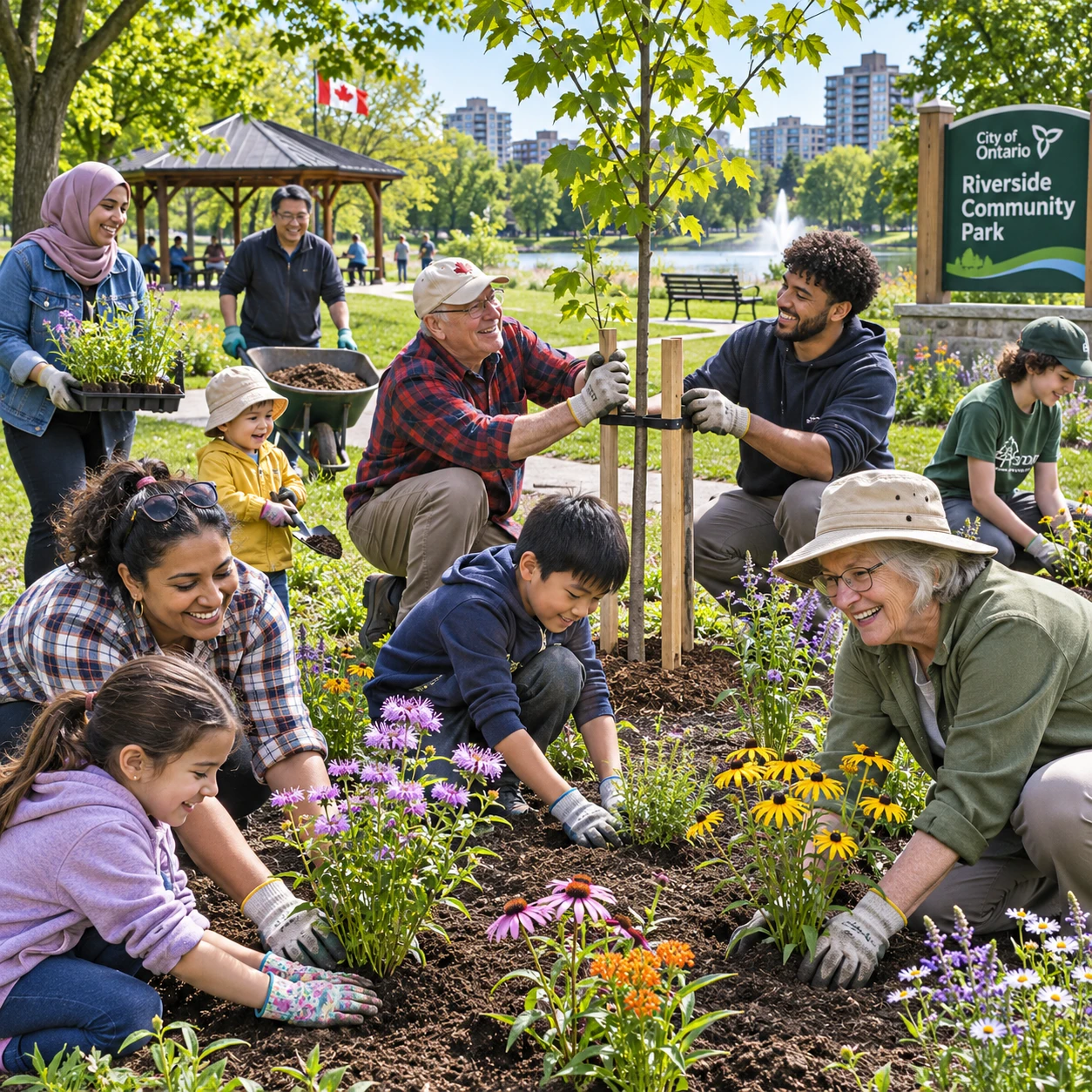
Urban conservation starts close to home: in a street tree that needs care, a rain garden beside an apartment building, or neighbours working together to clean a local creek. Across Ontario, residents can help care for urban green spaces and make their communities more connected to nature. You do not need specialist knowledge or a large budget to begin. A useful first step is to find a local need, then connect with a group that can help turn interest into steady action.
Why resident engagement matters in urban conservation
Resident engagement helps urban conservation reflect local needs and builds everyday connections with nature. When people take part in caring for green spaces, they can support healthier, more resilient neighbourhoods while building relationships with the places they share.
City landscapes include parks, ravines, schoolyards, shorelines, gardens, and trees along streets. These spaces can provide habitat, shade, and places to walk or gather. Their condition depends on many factors, including land ownership, maintenance, weather, and development. Community participation can complement professional management, but it cannot replace the planning and resources needed to care for complex natural areas.
Community-based conservation works best when residents help shape the work, rather than being asked only to show up for a one-time task. People who know a neighbourhood may notice a litter hotspot, a flooded path, or a stretch of lawn that could support native plants. Their observations can help local organizations identify priorities and choose activities that make sense on the ground.
Participation also makes conservation more visible in daily life. A shared planting day or a walk led by a local naturalist can introduce people to pollinators, urban wildlife, and the role of green spaces in a changing climate. Results vary by location, and no single project solves every environmental challenge. The value is in consistent, locally informed care.
Green initiatives residents can join or start
Residents can join or start urban green initiatives such as tree planting, native plant gardens, cleanups, and rain gardens. Choose an activity that fits the site, the people involved, and the time available.
- Plant and care for trees: Join a municipal or community tree-planting event, or help water young trees during dry periods. Before planting, confirm who owns the land and which species suit the site. A tree needs suitable space and aftercare, not just a planting-day volunteer.
- Create a native plant or pollinator garden: Native plants adapted to local conditions can offer food and habitat for pollinators. Start with a small, agreed-upon area and choose plants suited to its sunlight, soil, and moisture. Check local guidance and property rules before digging or planting.
- Take part in a cleanup: Neighbourhood, park, and shoreline cleanups can address litter and help people notice issues such as blocked drains or damaged paths. Follow organizer instructions, use appropriate equipment, and leave hazardous materials for trained staff.
- Explore rain gardens and stormwater management: A rain garden can help capture and absorb runoff when it is properly designed for the site. Residents can learn about options through a local environmental group or municipality. Drainage, soil conditions, utilities, and maintenance matter, so consult qualified guidance before changing how water flows.
- Support existing green spaces: Join a guided nature walk, invasive plant removal event, community science project, or park stewardship group. These activities often make it easier to contribute without organizing a new project.
A small project with clear permission and a care plan is often more useful than an ambitious project that has no one to maintain it. Ask what happens after the event: who waters the plants, reports damage, or replaces supplies? That answer should shape the project’s size.
Make participation accessible and inclusive
Inclusive urban conservation makes it possible for residents with different schedules, abilities, languages, and budgets to participate. Organizers can lower barriers by offering flexible roles, clear information, and activities that do not require specialized equipment or long commitments.
Time is a common barrier. Offer short shifts, repeat events at different times, and tasks that can be done independently, such as sharing a notice or checking on a newly planted garden. For mobility access, choose routes with stable surfaces where possible, provide seated activities, and describe terrain and washroom access before people arrive.
Cost and information can also limit participation. Supply basic tools and gloves when feasible, avoid fees for community events, and explain what participants should bring in plain language. Translate key information where community partners can help, and share invitations through libraries, schools, tenant associations, faith groups, and local businesses, not only social media.
Ask residents what would make an activity workable rather than assuming what they need. A project can include varied roles: planting, welcoming participants, documenting observations, preparing refreshments, or helping with communications. Meaningful inclusion means residents can influence decisions, not only attend an event designed without them.
There are trade-offs. More accessible planning may take extra time, and some sites have physical or legal limits that cannot be changed easily. Be clear about those limits, seek advice, and look for another way for people to contribute.
How to build lasting community stewardship
Lasting community stewardship grows from shared ownership, manageable commitments, and regular communication. Projects are more likely to continue when residents know their roles and can see how their contributions fit into ongoing care.
Begin with a small group of interested neighbours and agree on a specific purpose: for example, caring for a pollinator garden at a community centre or helping monitor litter along a local trail. Set practical expectations, including the time commitment, decision-making process, and who to contact with questions. Keep tasks small enough that a project does not depend on one person.
Good stewardship also needs permission and continuity. Confirm land ownership and any required approvals before planting, removing vegetation, or installing features. Arrange a maintenance plan that accounts for watering, seasonal changes, and volunteer turnover. Keep simple notes on what was done and what needs attention next; this helps new volunteers pick up where others left off.
Welcome new participants with a brief orientation and a clear first task. Recognize contributions without turning volunteer work into a competition. Occasional updates, shared photos, or a seasonal gathering can help people stay connected, while honest reporting keeps expectations grounded. If attendance drops, ask why and adjust the schedule, task, or communication method rather than assuming the community has lost interest.
The role of local organizations and conservation authorities
Local organizations and Ontario conservation authorities can connect residents with expertise, suitable projects, and information about local natural areas. Their services and volunteer opportunities differ by location, so residents should check what is available in their watershed and community.
Depending on the area, a conservation authority may provide watershed information, environmental education, stewardship advice, or opportunities to volunteer at a conservation area. Municipal parks departments, community associations, school boards, Indigenous organizations, and environmental nonprofits may also coordinate green initiatives. Each has a different role; land ownership and project approvals should be confirmed with the responsible organization.
For Ontario-wide context, the Conservation Ontario directory can help residents identify their local conservation authority. A local authority may not run every kind of community project, but it can often point people toward relevant watershed resources or partners.
Organizations can make participation more effective by sharing site-specific guidance, coordinating tools and training, and setting clear safety expectations. They should also make room for resident knowledge and explain how community feedback affects decisions. Good partnerships combine local experience with technical support; neither residents nor institutions need to carry the whole effort alone.
Getting started in your neighbourhood
To start an urban conservation project, identify one local need, confirm who manages the site, and find a partner who can advise on the next step. A simple, well-supported action is a stronger beginning than a large plan with unclear responsibilities.
- Notice and define the need. Choose a specific place or issue, such as litter near a creek access point, a lack of shade, or an underused garden bed. Ask neighbours whether they see the same concern.
- Check the site and permissions. Find out who owns or manages the land. Contact the municipality, property manager, school, conservation authority, or other relevant organization before making changes.
- Match the activity to the site. Consider sunlight, soil, drainage, access, maintenance, and the people available to help. Ask a local organization for advice if the project involves tree planting, native species, or stormwater management.
- Invite people through trusted channels. Share the purpose, location, duration, accessibility details, and what will be provided. Offer several ways to contribute, including roles for people who cannot attend on the day.
- Review and plan the next step. After the activity, note what worked, what needs follow-up, and who will take responsibility. Keep the next commitment realistic.
For example, residents who notice runoff pooling beside a shared walkway could first document when and where it occurs, then ask the property manager or municipality about the drainage system. A rain garden may or may not suit that location. Getting the right advice before digging protects the site and helps the group choose an appropriate response.
Urban conservation becomes part of neighbourhood life when residents can find a practical role and reliable support. Start with the place you know, listen to the people who use it, and build from there.
Frequently asked questions
What are some urban conservation activities residents can join? Residents can take part in tree planting and watering, native plant or pollinator garden care, park and shoreline cleanups, nature walks, community science, and stewardship events. Availability varies by municipality and organization.
How can I start a green initiative in my neighbourhood? Define a local need, confirm who manages the site, ask about permissions, and contact a community group or local organization for guidance. Begin with a manageable activity and decide who will maintain it afterward.
How can community projects include residents with different needs? Offer flexible schedules and roles, provide clear accessibility and terrain information, supply basic materials when possible, and share invitations through multiple channels and languages. Ask participants what would help them take part.
Where can Ontario residents look for local conservation opportunities? Check with your municipality, local conservation authority, community associations, libraries, schools, and environmental nonprofits. Conservation Ontario’s directory can help you find the authority serving your area, though specific programs differ across Ontario.